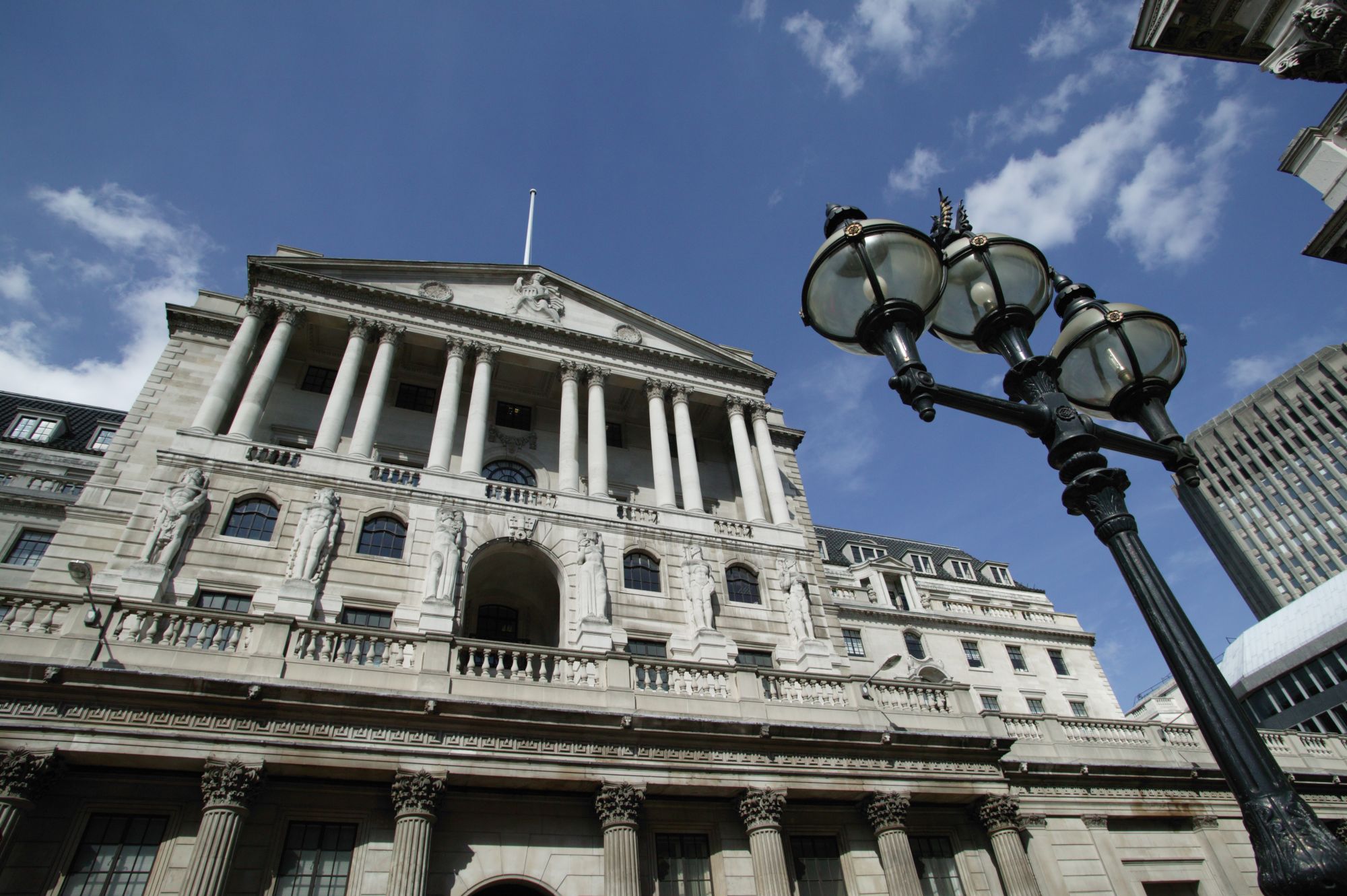
The Bank of England and International Monetary Fund have issued unusually stark warnings over the systemic threat posed by cyber attacks, arguing that a serious incident affecting payments or access to deposits could undermine confidence in the financial system itself.

BoE and IMF Warn Cyber Threats to Banking
Speaking at an IMF and World Bank event in Bangkok, Bank of England governor Andrew Bailey said the central issue was trust in technology and the need to retain human control as artificial intelligence becomes more deeply embedded across financial services.
“If we don’t have trust in money, we don’t operate as a society,” Bailey said, highlighting the extent to which banking now depends on complex digital infrastructure.
Cyber Risk Moves From Operational Issue to Systemic Threat
The comments coincided with the IMF’s latest Global Financial Stability Report, which warns that cyber risk is becoming increasingly systemic as financial institutions rely on interconnected technologies and a small number of critical technology providers.
The Fund said a major attack affecting payments, trading or deposit access could generate immediate financial losses and rapidly damage confidence.
It identified three principal vulnerabilities: growing dependence on interconnected systems, concentration among key technology providers, and increasingly sophisticated attackers.
The IMF also warned that state-backed groups, ransomware operators and insiders now have access to more powerful tools, including frontier AI models capable of supporting network-attack simulations.
AI Raises the Speed and Scale of Attacks
The concern is not simply that AI can improve existing cyber attacks, but that it may compress the time available for institutions to respond.
The IMF said that in 70% of recorded cases involving exploited software vulnerabilities, providers had no opportunity to issue a patch before attackers moved.
That raises difficult questions for banks and payments companies, particularly where multiple institutions depend on the same infrastructure provider or cloud environment.
A single weakness could therefore propagate across institutions far more quickly than traditional operational risk frameworks assume.
Trust Becomes the Ultimate Line of Defence
IMF managing director Kristalina Georgieva framed the issue in more human terms, warning that if consumers lose faith in the safety of the financial system they may retreat from formal banking altogether.
Her reference to keeping dollars in a shoebox under the bed was deliberately provocative, but the underlying point is serious.
Payments resilience is ultimately about confidence. Consumers may tolerate temporary inconvenience, but they are far less forgiving if they believe their money is inaccessible or unsafe.
For banks, PSPs and infrastructure providers, the lesson is that cyber resilience can no longer be treated as a back-office technology concern.
As finance becomes more digital and more dependent on AI, cyber security is becoming inseparable from monetary trust itself.
The post BoE and IMF Warn Cyber Threats Could Undermine Trust in Banking appeared first on Payments Industry Intelligence.